For the Lummi Nation (the Lhaq’temish or “People of the Sea”), the canoe races are not just an athletic competition; they are a spiritual and cultural lifeline that has survived through generations. Few sounds are as evocative as the rhythmic “Whooo, Haaaa!” echoing across the water, accompanied by the synchronized splash of cedar paddles, as the 11-member war canoes race by the grandstand.
Stommish: The “Warrior’s” Celebration
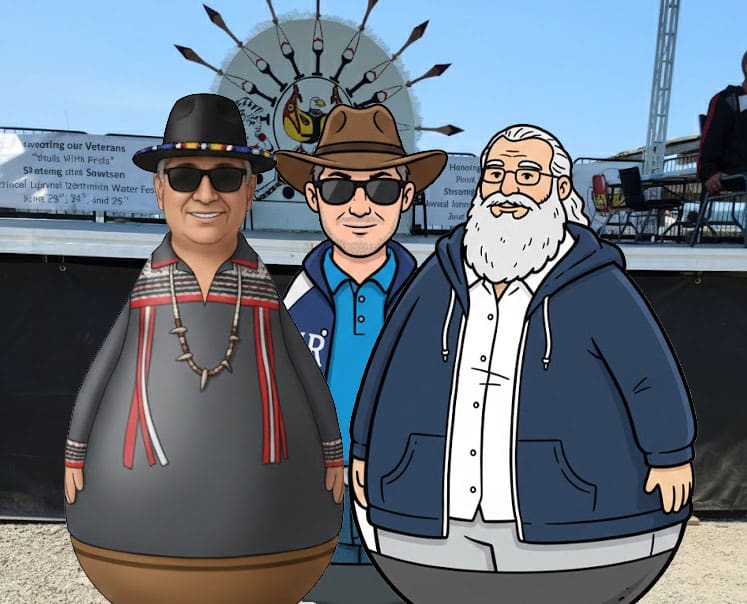
At the center of the canoe races is the Stommish Water Festival, held annually in June at the Gooseberry Point grounds. The word Stommish translates to “warrior,” and the festival’s history is deeply rooted in the resilience of Lummi Nation veterans.
Founded in 1946 by World War I veterans to welcome home their brothers and sisters returning from World War II, Stommish was a way to heal through tradition. Today, that tradition continues, honoring veterans from all branches of service with parades, storytelling, and the “World Famous” war canoe races.
The Vessels: Traditional War Canoes
The stars of the canoe races are the War Canoe. These are not your average lake canoes; they are specialized racing machines:
- The Build: Historically carved from a single log of ancient Western Red Cedar, these canoes are sleek, lightweight, and designed for speed.
- The Size: Races feature various categories, including singles, doubles, and the premier 11-member canoes, which can reach lengths of over 50 feet.
- The Pullers: Those who power the boats are called “pullers,” not paddlers. Pulling for the Lummi is a way of life that requires physical strength, mental discipline, and a drug- and alcohol-free commitment.
More Than Canoe Races: A Way of Life
To the Lummi people, the canoe is more than a boat; it is a teacher. Many local clubs, like the Rikkole Cree Canoe Club, use racing to pass down cultural values to the next generation.
- Teamwork: An 11-member canoe cannot move without absolute synchronization. If one person falters, the whole boat loses its rhythm.
- Healing: For decades, the “Canoe Way” has been used as a tool for sobriety and mental health, helping youth and adults alike find strength in their heritage.
- Ancestral Highways: Racing on the Salish Sea is a literal connection to the past, plying the same “marine highways” ancestors used for trade, travel, and protection.
Experiencing the Canoe Races in 2026
If you are planning to attend the 80th Annual Stommish Water Festival (June, 2026), here is what to expect:
- The Shoreline Energy: The best view for the canoe races is from the beach at Hale’s Passage. The atmosphere is electric as families cheer from the shore, often hollering to give their pullers “strength” for the final stretch.
- Traditional Food: You cannot visit Stommish without trying the traditional barbecued salmon, or Dungeness crab cooked over open cedar fires.
- Sla-Hal Bone Games: Between races, you might catch the Sla-Hal games; a traditional Coast Salish gambling and guessing game accompanied by powerful singing and drumming.
Respecting Protocol: While Stommish and the canoe races are a public celebration, it is also a sacred space. Visitors are encouraged to listen, observe, and show respect for the ceremonies and the veterans being honored.

Clark believes that the best professional relationships are built on shared experiences and a bit of fun. Growing up in the Pacific Northwest, Clark has been a vocal advocate of the local craft beer scene for years. He enjoys exploring the unique flavors and community-driven atmosphere of Washington’s and Oregon’s many breweries while working through the complex software architecture opportunities presented by social interaction. After a hard day of work, Clark can often be found on the karaoke stage any day of the week belting out 80’s rock and heavy metal tunes while bringing the same passion and energy to his performances as he does to his startups; valuing confidence, engagement, and the power of a good song and a bourbon barrel aged beer to bring people together.